Available courses

This course focuses on the use of social science theories, perspectives, and methodologies to investigate and explain shifts in knowledge, attitudes, beliefs, and behaviour and their impact on society. Students will critically analyse how and why cultural, social, and behavioural patterns change over time. They will explore the ideas of social theorists and use those ideas to analyse causes of and responses to challenges such as technological change, deviance, and global inequalities. Students will explore ways in which social science research methods can be used to study social change.


This course gives students the opportunity to develop the skills, knowledge, and habits that will support them in their education and career/life planning. Students will learn about global work trends, and seek opportunities within the school and community to expand and strengthen their transferable skills and their ability to adapt to the changing world of work. On the basis of exploration, reflective practice, and decision-making processes, students will make connections between their skills, interests, and values and their postsecondary options, whether in apprenticeship training, college, community living, university, or the workplace. They will set goals and create a plan for their first postsecondary year. As part of their preparation for the future, they will learn about personal financial management – including the variety of saving and borrowing tools available to them and how to use them to their advantage – and develop a budget for their first year after secondary school.

Prerequisite: None

*Starting in the 2026–27 school year, students must meet a Financial Literacy Graduation Requirement to earn their high school diploma.

This course explores rights and responsibilities associated with being an active citizen in a democratic society. Students will explore issues of civic importance and the influence of social media, while developing their understanding of the role of civic engagement and of political processes in the local, national, and/or global community. Students will apply the concepts of political thinking and the political inquiry process to investigate, and express informed opinions about, a range of political issues and developments that are both of significance in today’s world and of personal interest to them. This course also includes learning on digital literacy and critical-thinking skills, the mechanisms of government, Indigenous governance systems and structures, the historical foundations of the rights and freedoms we enjoy in Canada, ways in which government policy affects individuals’ lives and the economy, and ways for students to serve their communities.

Prerequisite: None

This course provides students with opportunities to think critically about theories, questions, and issues related to anthropology, psychology, and sociology. Students will develop an understanding of the approaches and research methods used by social scientists. They will be given opportunities to explore theories from a variety of perspectives, to conduct social science research, and to become familiar with current thinking on a range of issues within the three disciplines.

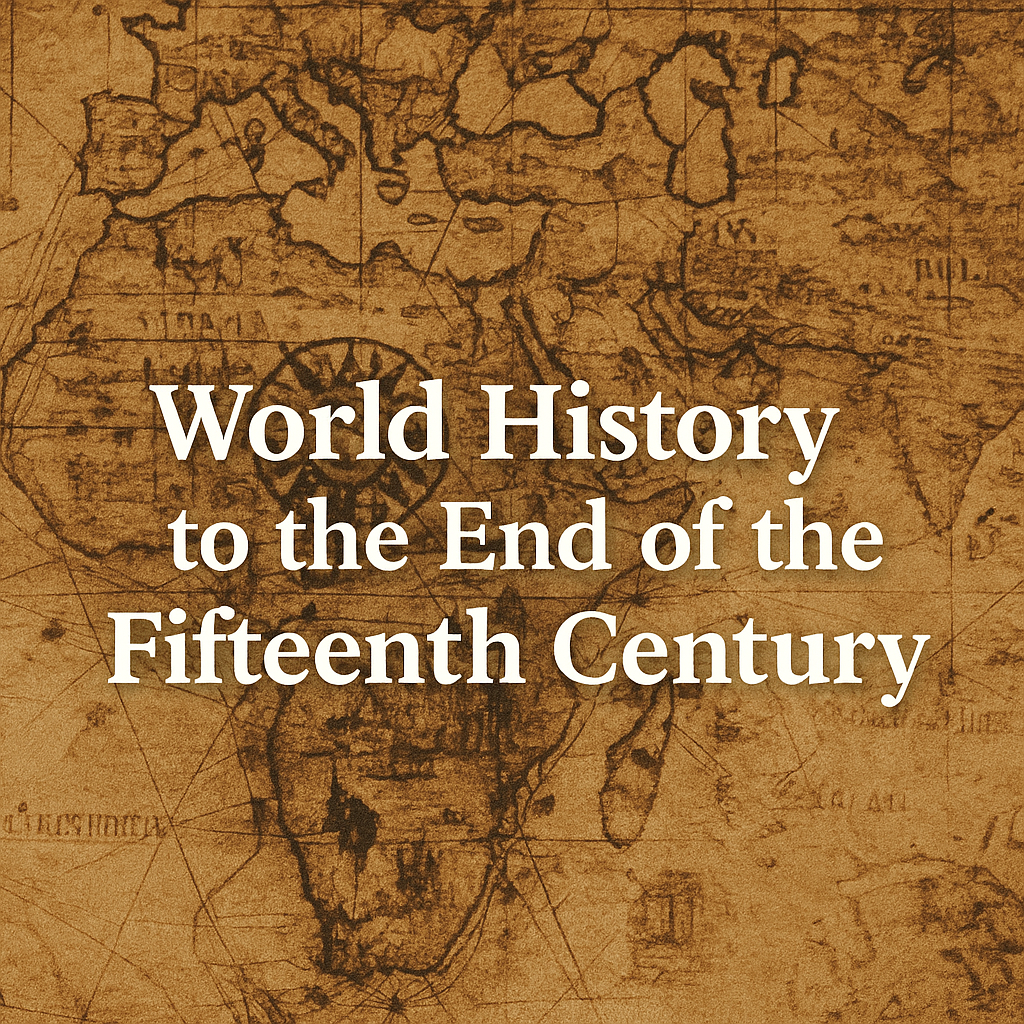
CHW3M explores the major civilizations, global systems, and transformative events that shaped the world before 1500 CE. Delivered fully online, this course guides students through the rise and interactions of societies across Asia, Africa, Europe, and the Americas, with a focus on cultural exchange, technological innovation, belief systems, and early global connections.

Students will investigate archaeological evidence, primary sources, and historical interpretations to understand how ancient and medieval societies developed and how their legacies continue to influence the modern world. The course is organized into five structured units, combining multimedia lessons, interactive activities, discussion boards, and assessments aligned with Ontario Ministry expectations.

Throughout the course, students will:

  • Analyze the development of major civilizations such as Mesopotamia, Egypt, Greece, Rome, China, the Indus Valley, West Africa, and the Americas.

  • Examine patterns of trade, migration, conflict, religion, and cultural exchange.

  • Develop historical thinking skills through inquiry, investigation, and evidence-based argumentation.

  • Engage in both independent and collaborative online learning tasks.

The online environment includes weekly modules, clear pacing guides, recorded presentations, and opportunities for instructor feedback. CHW3M emphasizes critical thinking, global awareness, and the ability to interpret how humanity’s earliest stories shaped the world we live in today.